“Imagination is more important than knowledge. For knowledge is limited, whereas imagination embraces the entire world.”
-Albert Einstein
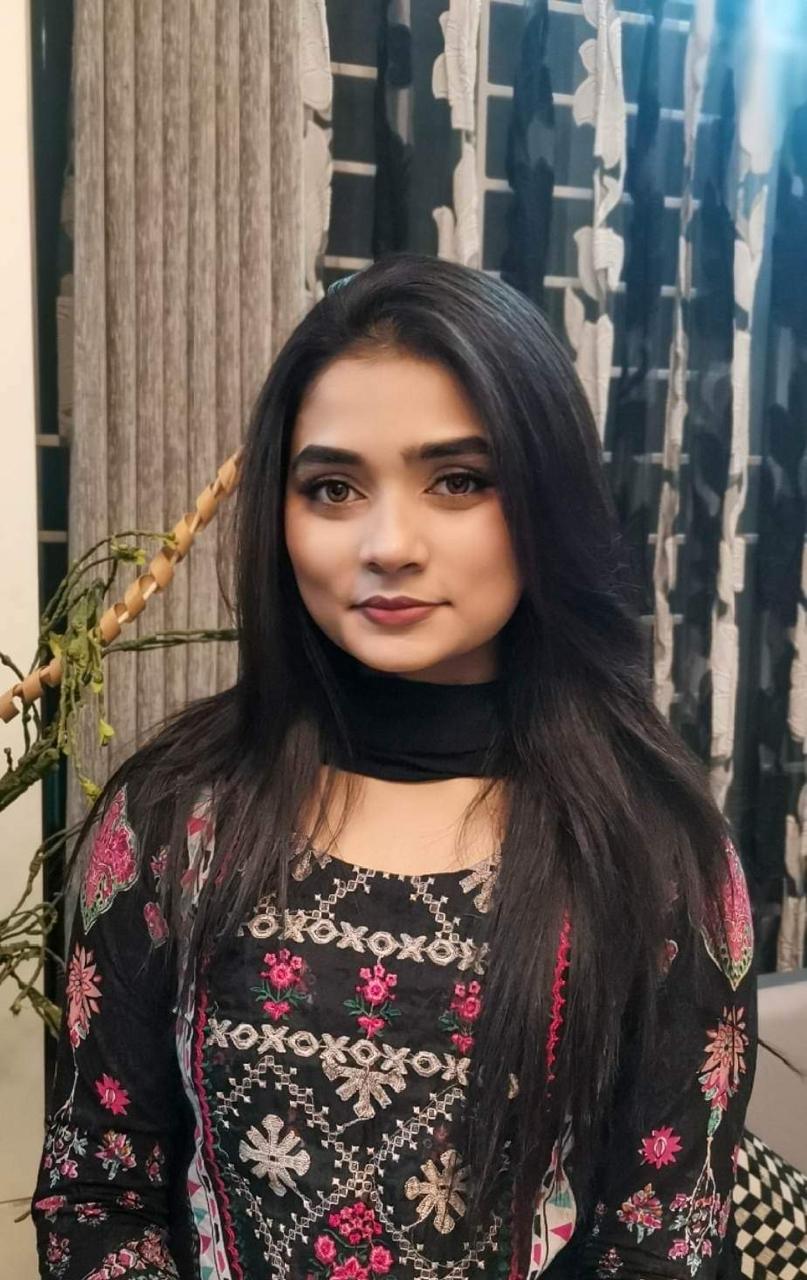
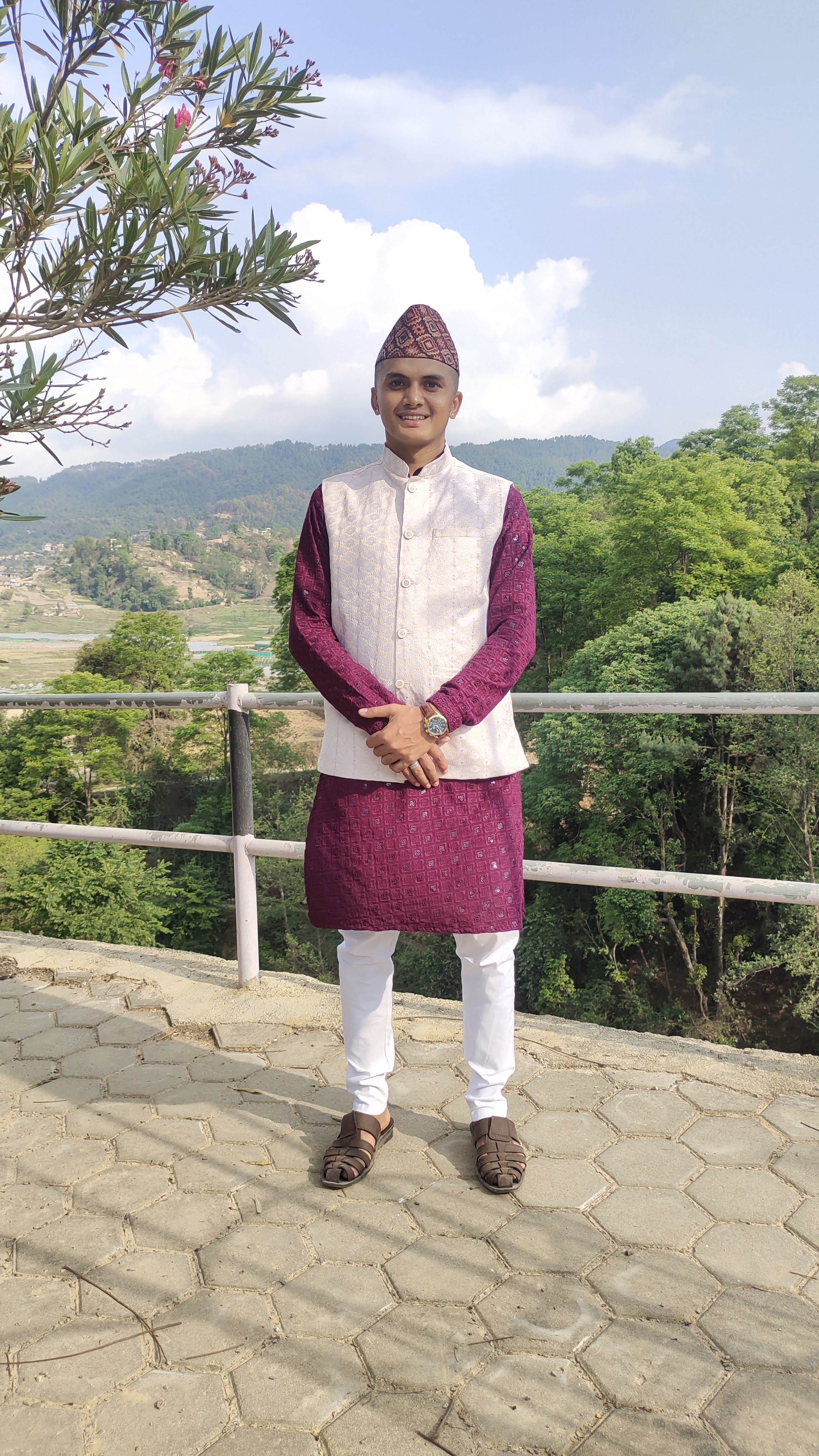
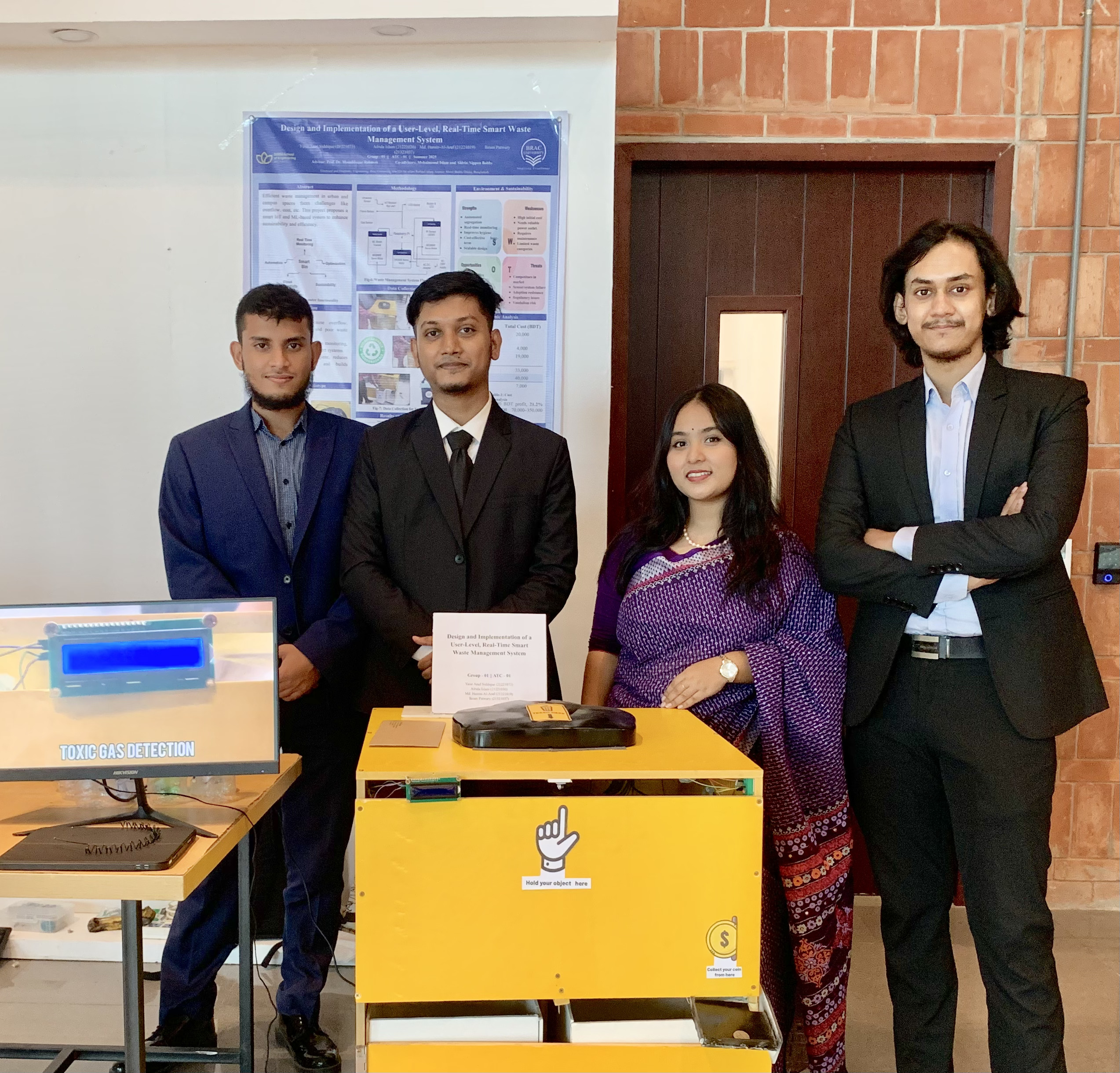
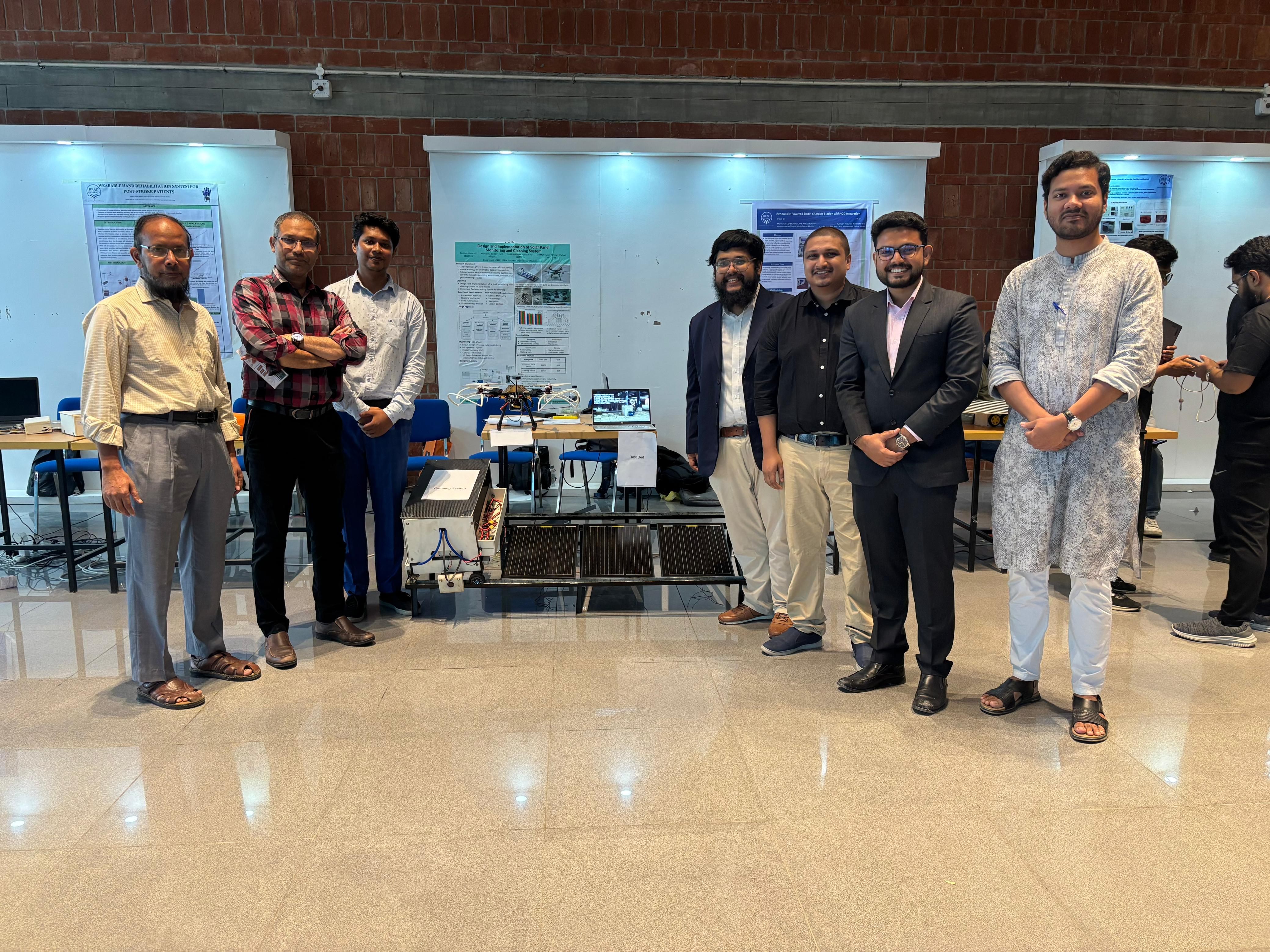
All the Members of FYDP Group 1, Fall 2024 & Their Innovation
The Merriment of Inventions
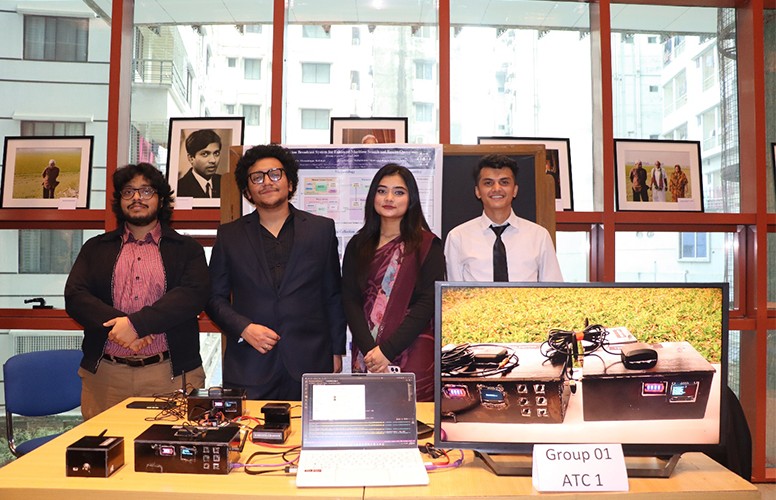
–Every year, thousands of lives are lost in maritime disasters, a problem felt acutely in riverine nations like Bangladesh with its vast fishing and shipping industries. For search and rescue (SAR) teams, the operation is a race against time. The “golden day” principle highlights the critical importance of locating victims within the first 24 hours. While sophisticated satellite-aided systems like COSPAS-SARSAT exist, they are often prohibitively expensive and require complex registration. Critically, Bangladesh is not a participant in this international program, leaving its maritime workers with no affordable, reliable alternative. To address this life-threatening gap, Group 01 members of FYDP Fall 2024; who are Mohammad Aamir Kardar, Nusaiba Khan, Achyut Sijapati, Fahim Md Sakib Alam; under the Guidance of ATC 01 consisting of Professor Dr. Mosaddequr Rahman, Professor, PhD and Chairperson of BSRM School of Engineering; Mohaimenul Islam, Senior Lecturer of Professor, BSRM School of Engineering; Aldrin Nippon Bobby, Lecturer of Professor, BSRM School of Engineering set out to design and build a low-cost, effective, and infrastructure-less solution: the “Survivor Location Broadcast System for Enhanced Maritime Search & Rescue Operations“.
What is Survivor Location Broadcast System for Enhanced Maritime Search & Rescue Operations?

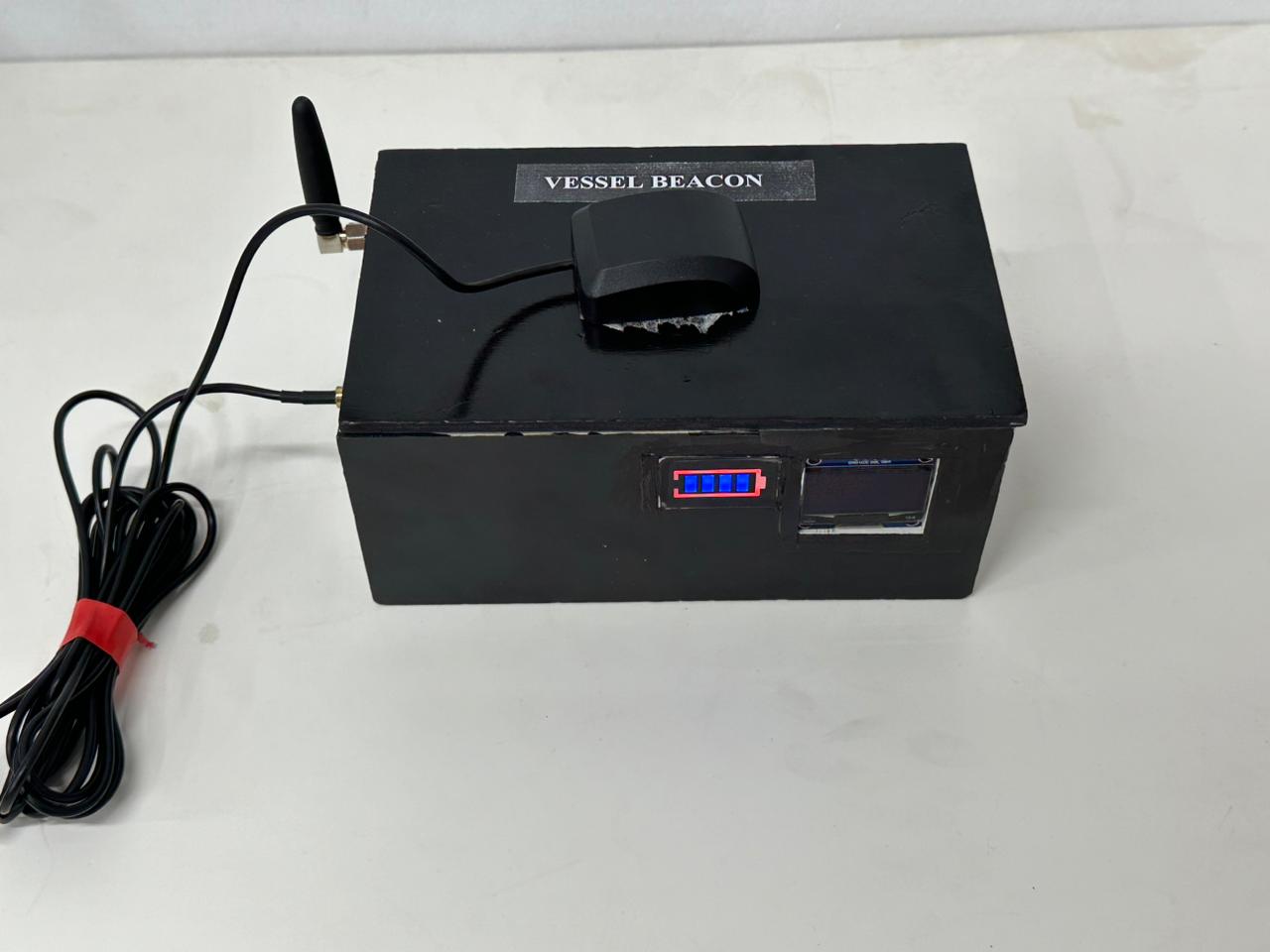
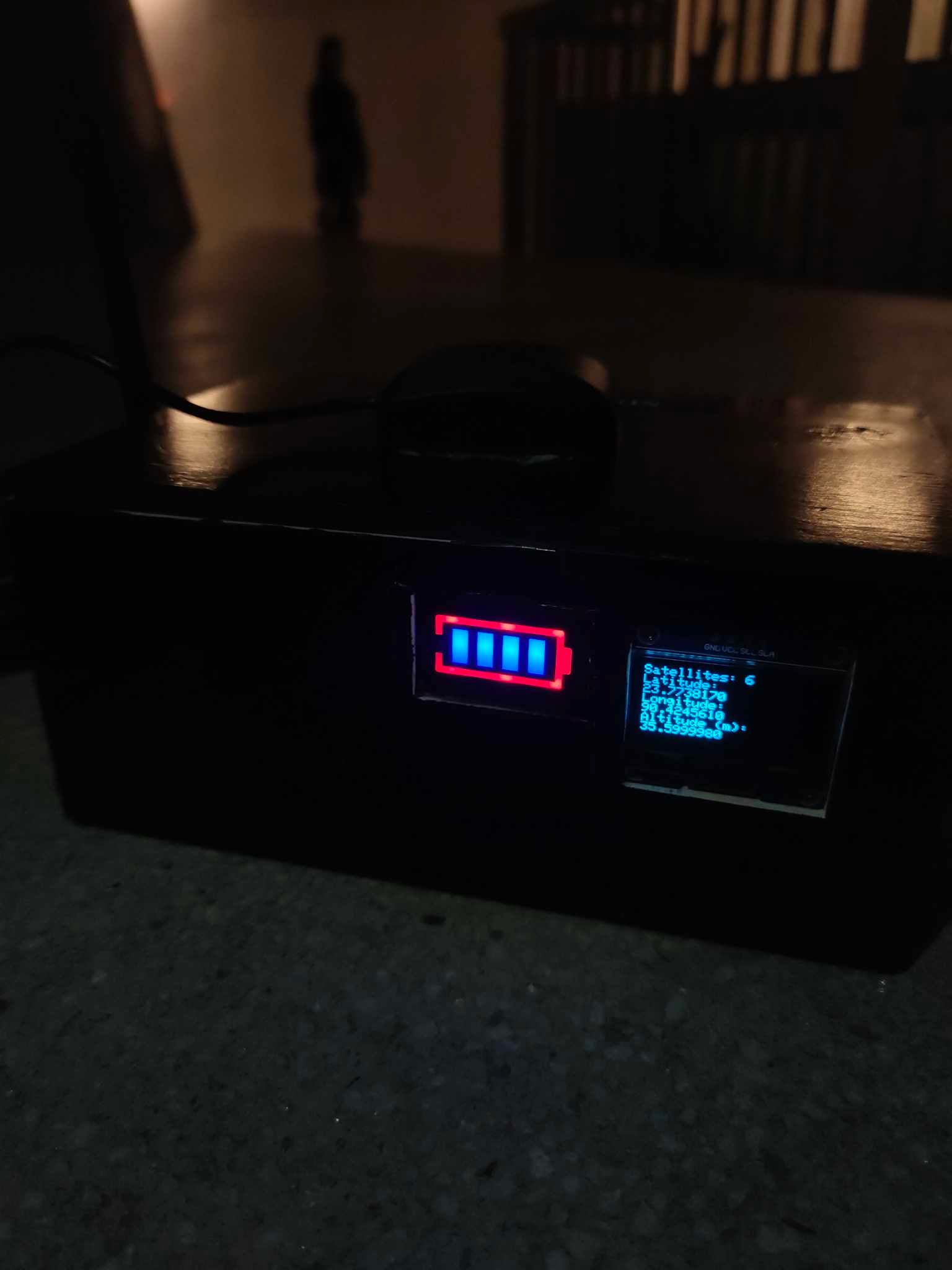
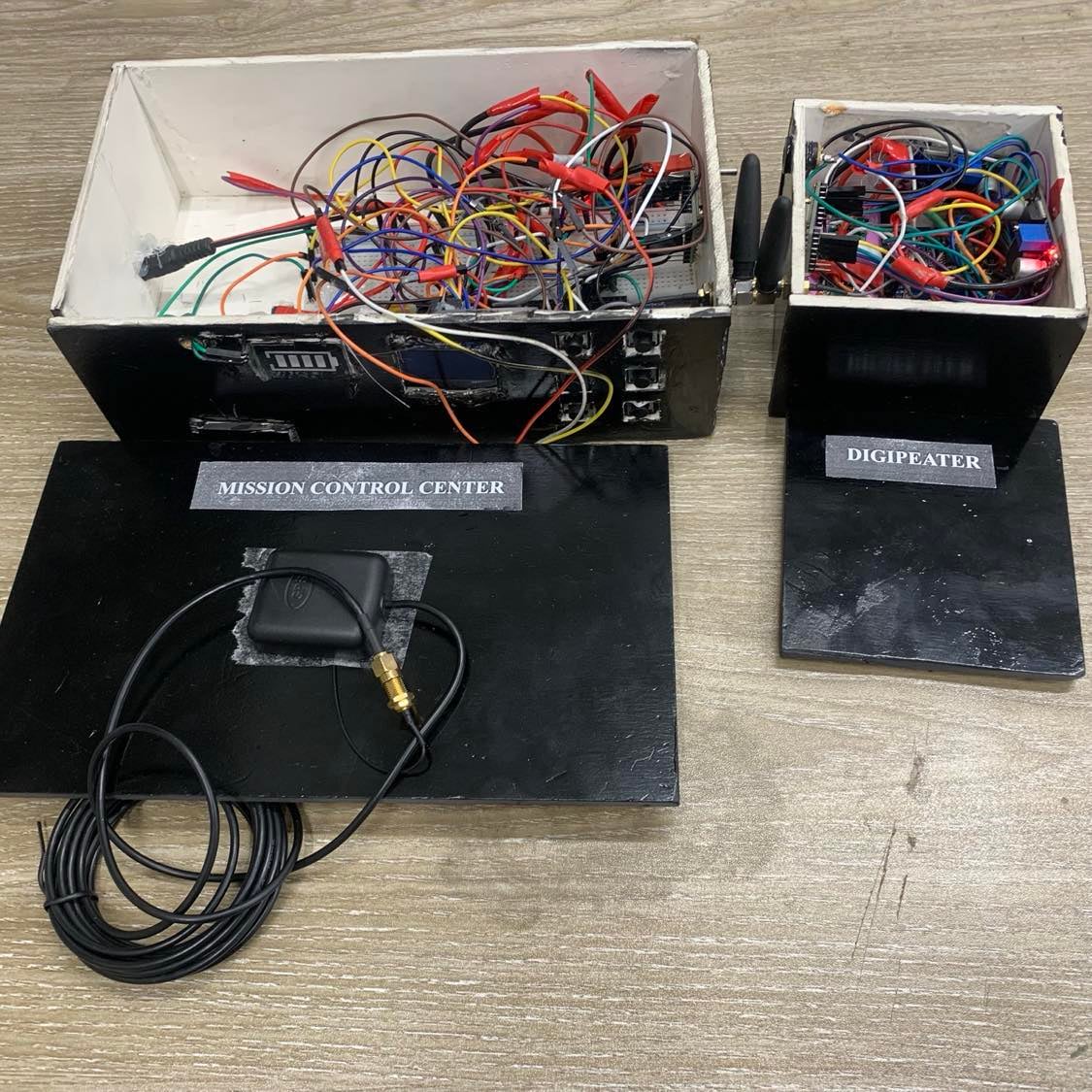
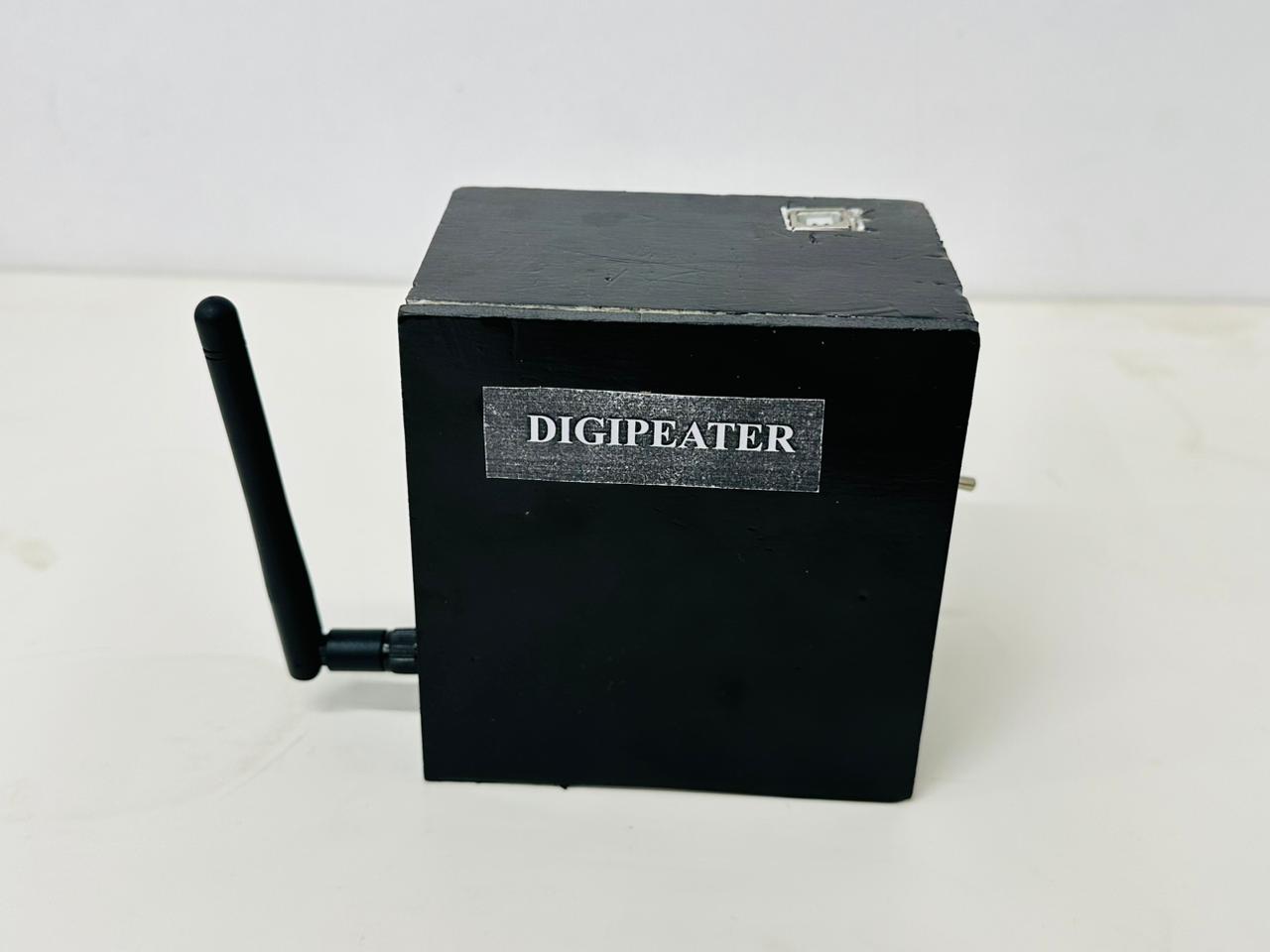
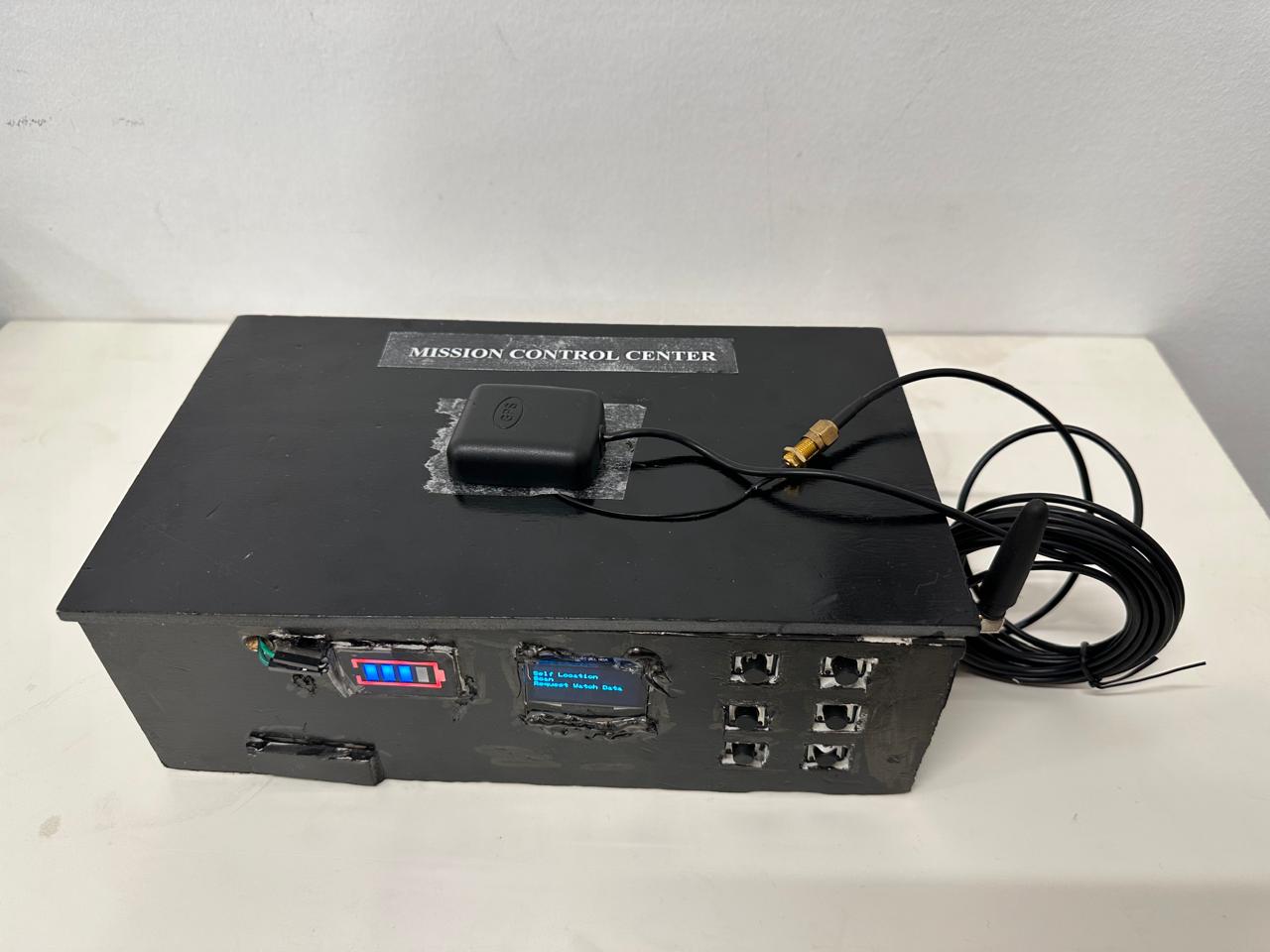
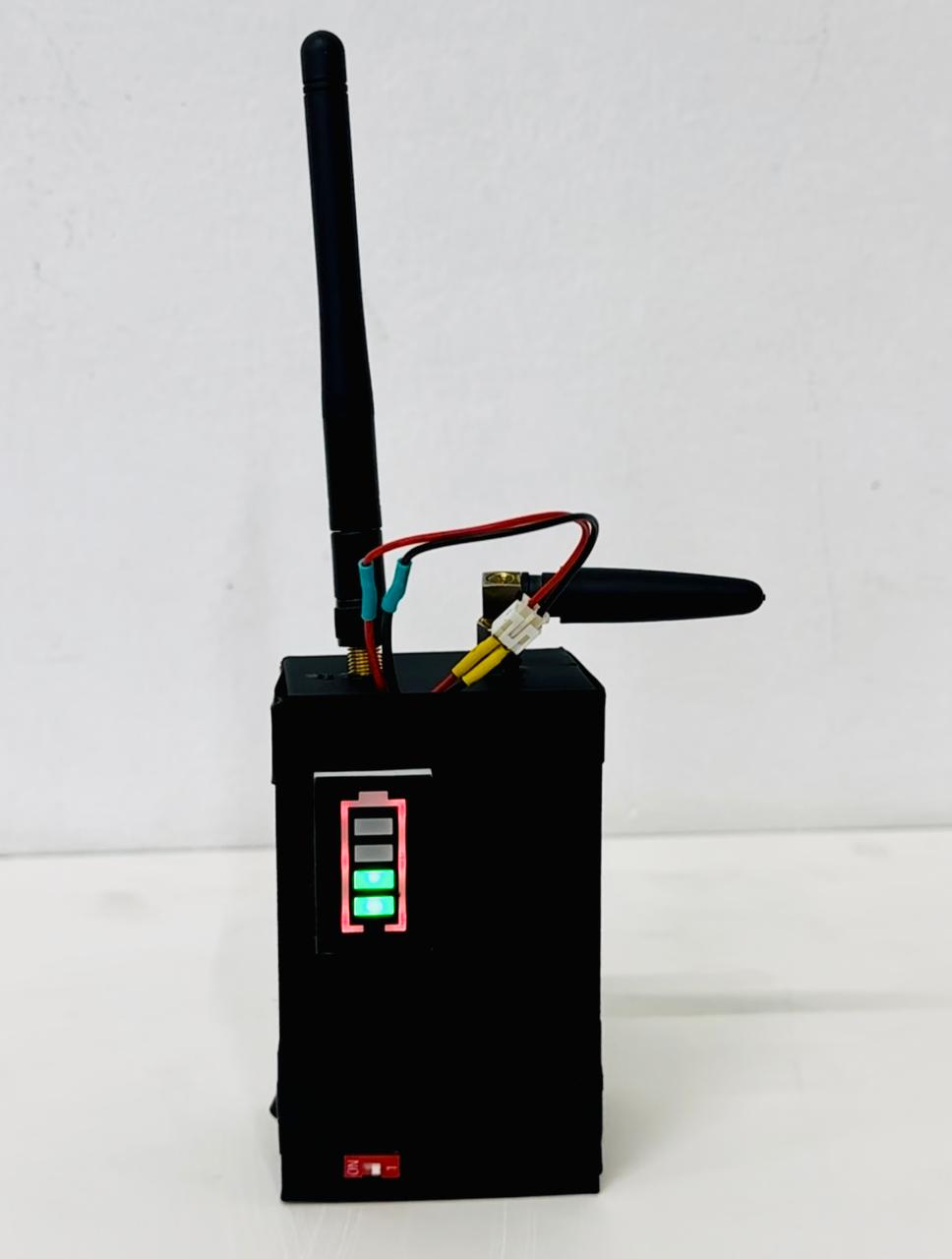
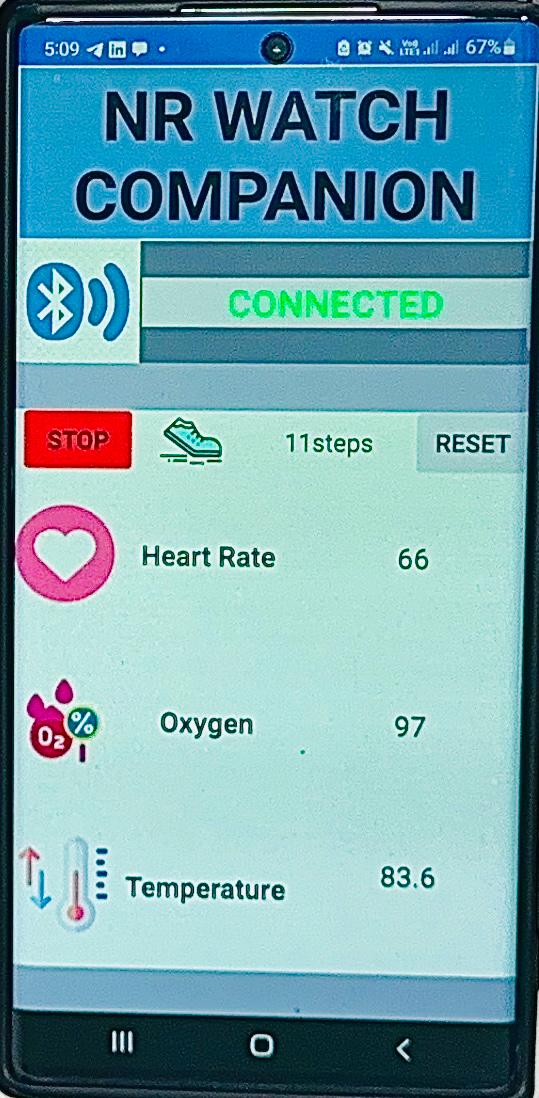
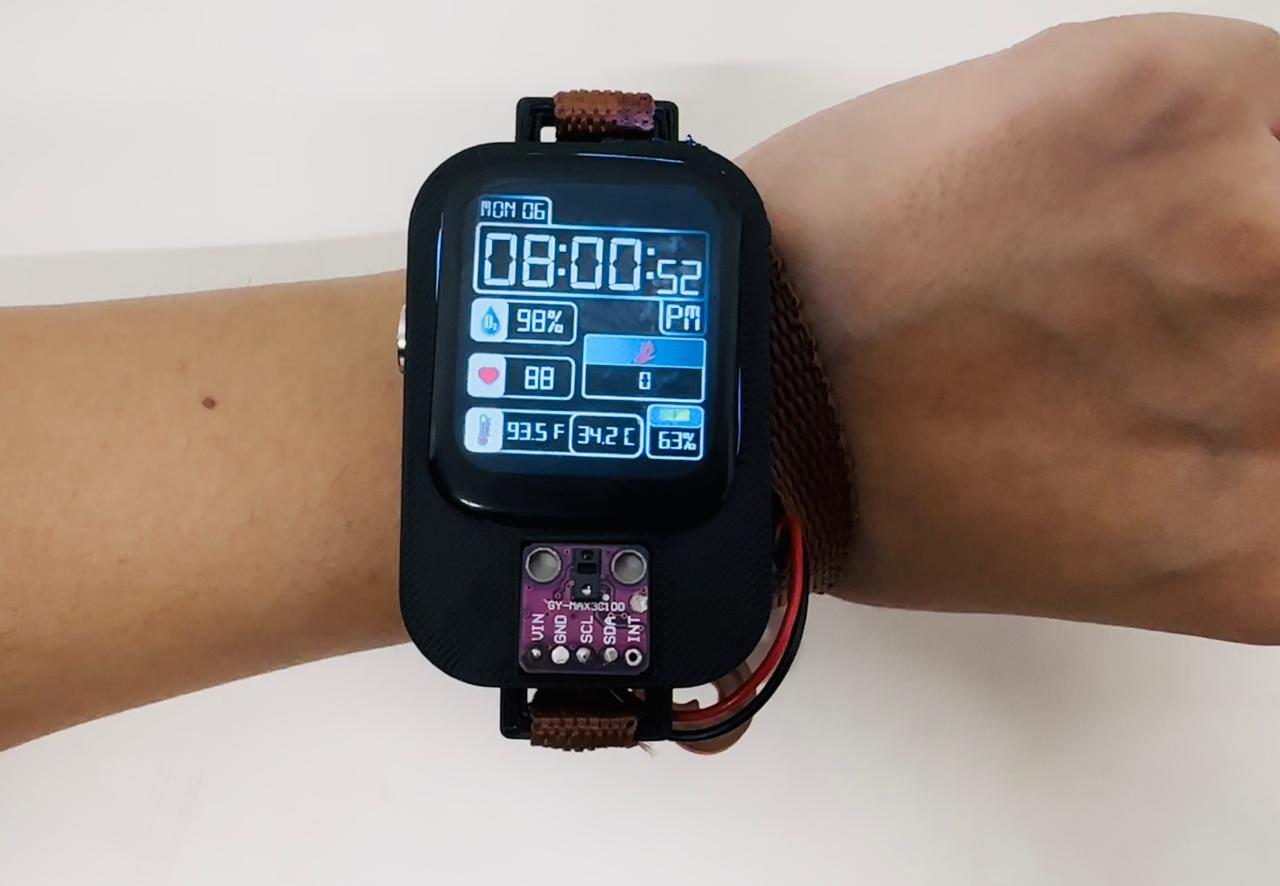
-The core challenge was to create a system that could operate reliably in the open sea, far from any cell towers or internet access. This solution is a self-sufficient Mobile Ad-hoc Network (MANET) built using LoRa (Long Range) technology. This approach creates a flexible, self-healing “mesh” of communication. Instead of relying on a single, powerful (and power-hungry) beacon, the whole system uses multiple low-power nodes that can relay information to one another, dramatically extending the communication range and battery life. After analyzing multiple designs, Group 01 chose this UHF mesh network over a traditional peer-to-peer VHF system because it proved far more cost-effective and offered a vastly superior battery life—a critical factor in a 24-hour+ rescue scenario. The system is comprised of three main components: The Victim Beacon: A Life-Saving Watch; The Network: Digipeaters; The Rescuer’s Hub: Mission Control Unit & GUI. The Victim Beacon system is a simple, wearable digital watch for the survivors. They designed it this way for everyday usability—if it’s practical, people will wear it. In an emergency, this watch becomes a lifeline. It goes beyond simple tracking by incorporating a suite of biometric sensors to monitor the victim’s heart rate, body temperature, and oxygen saturation. This vital data is transmitted directly to rescuers, allowing them to assess a victim’s condition remotely and prioritize rescue efforts for those most in need. To keep the watch small and light, the group members offloaded the main communication and GPS hardware to a small “pocket router,” which pairs with the watch via ESP-NOW wireless protocol. The Network System is a series of Digipeaters is the backbone of the project’s network. These are low-cost, solar-compatible relay nodes that can be installed on fishing vessels, buoys, or other boats. When a victim’s watch sends a distress signal, these Digipeaters automatically pick it up and relay it across the mesh network, hopping from node to node until it reaches a rescuer. The Rescuer’s Hub means the rescue team carries a Mission Control Unit (MCU), which acts as the base station. We developed a custom “Victim Data Visualizer”—a graphical user interface (GUI) that runs on a laptop connected to the MCU. This dashboard provides rescuers with complete situational awareness. They can see each victim’s precise GPS location plotted on a map and, crucially, view their live vital signs. Rescuers can also remotely trigger a buzzer on the victim’s device, helping them pinpoint survivors in low visibility or at night. Group 01 subjected the prototype to a series of rigorous field tests to validate its performance. The system successfully met its core objectives: Battery Life: The subsystems demonstrated the ability to last well beyond the 24-hour “golden day” requirement, with the mesh network design proving exceptionally power-efficient. Vital Signs Accuracy: When tested against commercial-grade medical devices, our watch’s sensors proved highly accurate, showing an average error of just 0.62% for temperature and 0.55% for oxygen saturation. Network Performance: The LoRa-based mesh network demonstrated stable hop-to-hop communication, low latency, and reliability even with multiple nodes active. The project’s innovative approach and potential for real-world impact were recently validated when it was awarded First Prize at the Fall 2024 Final Year Design Project Showcase, selected from a competitive field of seven other teams. This work demonstrates that a low-cost, locally-developed system can provide the robust, life-saving capabilities that are currently inaccessible to Bangladesh’s maritime community. The group is now focused on refining the design for mass production, developing a fully waterproof, IP-rated enclosure, and integrating automatic distress detection.

Survivor Location Broadcast System for Enhanced Maritime Search & Rescue Operations Technical Poster
Watch it! 1st HAND Below
The Experience of Group 1
Mohammad Aamir Kardar
- Reflecting upon the capstone project, which commenced in January 2024 and concluded in December 2024, I am filled with a profound sense of accomplishment and gratitude. This year-long endeavor, undertaken with my three dedicated teammates, proved to be one of the most challenging and genuinely transformative experiences of my academic journey. When we began, the scope of the project felt formidable. It was a truly daunting task, and there were moments when it seemed we had perhaps undertaken more than we could manage. However, we maintained our faith in our collective abilities and resolved to see it through. Our process was built on a foundation of diligence and rigorous research. My teammates and I invested countless hours, working diligently to navigate the complexities of the project. We immersed ourselves in a comprehensive review of textbooks, scholarly research papers, technical forums, and detailed datasheets. This period of intense study was essential, but we also understood that we could not succeed in isolation. Throughout this journey, we consistently sought the counsel of our esteemed faculty advisors. I must extend my particular and sincere gratitude to Mohaimenul Islam Sir, who was exceptionally generous with his time. His guidance was instrumental to our progress; he offered not only his deep technical expertise but also provided invaluable moral support and encouragement during a very demanding period. His mentorship was a critical pillar that supported our team. The path to completion required significant perseverance. After months of dedicated effort, experimentation, and meticulous troubleshooting, our hard work culminated in a successful outcome. Earning the first prize in the project showcase was a deeply gratifying moment for the entire team. It served as a powerful validation, making every challenge we faced and every late night of work feel entirely worth the effort. This capstone project was far more than an academic requirement; it was a truly transformational experience. It imparted practical, essential skills that simply cannot be replicated in a traditional classroom environment. While academic learning provides a crucial foundation, I have come to firmly believe that it is the hands-on experience of working through complex, challenging projects that truly forges an engineer. Ultimately, this project not only equipped me with valuable technical skills and practical experience but, more importantly, it taught me to have faith in my own abilities and to embrace the value of perseverance. It stands as definitive proof that hard work, when paired with dedication and a refusal to give up, will always pay off.
Nusaiba Khan
- Firstly, I would like to express my sincere gratitude to my family, my honorable advisors Dr Md. Mosaddequr Rahman and Mohaimenul Islam, my incredible teammates and my department for their constant support throughout this journey. Working on the LoRa-based mesh network for disaster search and rescue (SAR) operation has been a truly transformative experience for me. It was a dream that took shape — from a concept in our mind to a working prototype that could one day serve in real-world operations. Along the way, I had the opportunity to bridge theory with practice, utilizing knowledge from embedded systems and wireless communication courses. However, beyond technical learning, one of the greatest lessons I carry from this project is the importance of teamwork — respecting different opinions, learning to compromise when needed and always striving for the best solution collectively. I believe this experience has made me not only a better engineer but a better team player as well. As I look ahead, I am excited for what the future holds and I pray that I can continue to contribute meaningfully to technology that serves humanity. Indeed, Allah is the best of planners. To future innovators: trust the process, cherish your team and never lose the spark of dreaming big. In Sha Allah, your time will come too.
Achyut Sijapati
- With deep gratitude and pleasure to my Almighty Allah, I am feeling honored to proclaim the successful accomplishment of our project titled "Solar Panel Inspection and Cleaning System," which secured the award of The Best Engineering Project in FYDP. This milestone has been a rewarding journey with learning, various challenges, and valuable experiences that have formed my understanding and firm passion for sustainable renewable energy solutions. I would like to convey my heartfelt thanks and gratitude to our honorable advisors of ATC panel-01 , Professor Dr. Mosaddequr Rahman and Senior Lecturer Mohaimenul Islam, for their unwavering support and insightful guidance throughout the accomplishment of the project. Their expert knowledge, constructive feedback, and encouragement have been beneficial in every step from the initial concept to the final implementation. This project was aimed at designing an efficient system to inspect and clean solar panels if there are any sort of droppings, improving their energy output and reducing manual effort. Through detailed planning, research, and practical work, my incredible team has developed a working model that addresses real-world problems in solar energy maintenance. I am very grateful to my team during this project and appreciate all the hard work done by them, as without their support and effort the project would not be accomplished in such a way. The journey has not only enhanced my technical skills but also taught me the importance of perseverance, teamwork, and creative problem solving. The knowledge I’ve gained under the supervision of one of my respected advisors, Mohaimenul Islam Sir, was truly inspirational. I am looking forward to learning and developing my research skills through the Energy Research Group for my future endeavors.
Fahim Md Sakib Alam
- The journey of building our Final Year Design Project titled "Survivor Location Broadcast System for Enhanced Maritime Search & Rescue Operations" has been one of the most transformative experiences of my academic life. Our system, awarded Best FYDP under ATC Panel-01, was developed with the aim to support SAR teams through a reliable, infrastructure-less solution based on LoRa-powered MANET communication. It consisted of three major components: a wearable victim beacon capable of tracking vitals like heart rate, body temperature, and oxygen saturation while broadcasting the victim’s real-time location; a digipeater unit to relay data across long distances without relying on existing infrastructure; and a receiver unit that enabled rescuers to pinpoint victims and receive health updates with immediate proximity alerts. This project was not just about building a system — it was about discovering resilience through endless debugging, creativity through real-world testing, and belief through teamwork. I express my heartfelt gratitude to our respected advisors Prof. Dr. Mosaddequr Rahman and Mohaimenul Islam Sir for their constant guidance, feedback, and motivation throughout the journey. And most importantly, I’m thankful to my incredible teammates whose dedication, skills, and collaborative spirit turned a bold vision into reality. This experience not only strengthened my technical skills but also reminded me of the kind of engineer I aspire to be — one who builds for impact, one step at a time.
Don't Miss Out! Photos ofMemories of S.P.I.C.S